

Smart Oxygenation & Water Quality Management Solutions for Aquaculture

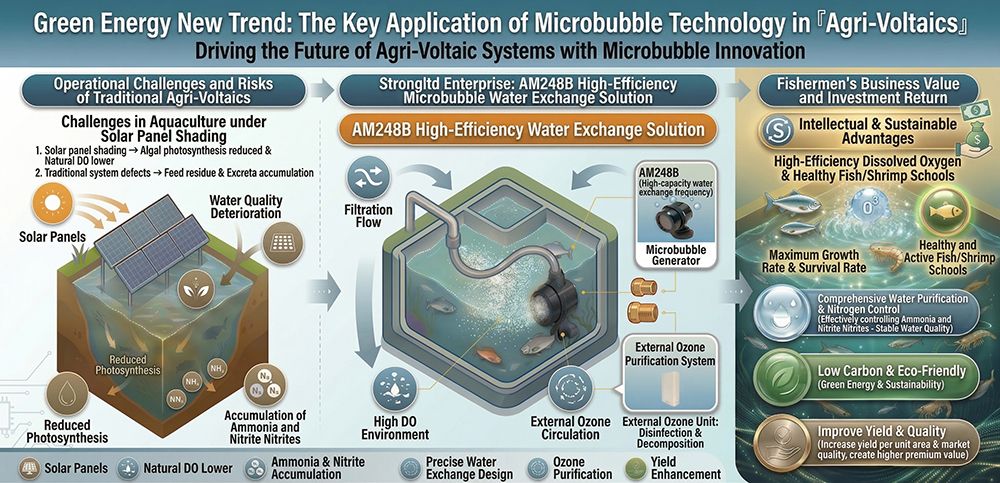
AM248B Micro/Nano Bubble Efficiency Module - Ideal for High-Density Aquaculture, Aquavoltaics, and Recirculating Aquaculture Systems (RAS)

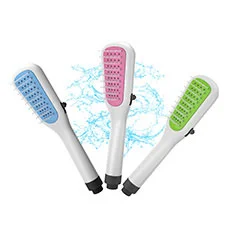
ERDEN IRIS Pet Hand Style Hand Shower with Pause Control

ERDEN IRIS Pet Hand Style Hand Shower with Pause Control

Using the Pet Hand Style Hand Shower with pause control, you save at least 40% water while you are cleaning your lovely pet. Therefore, please use water saving products to help our earth.

More
ERDEN Cutie Smile Health Travel Portable Bidet Spray

ERDEN Cutie Smile Health Travel Portable Bidet Spray

ERDEN Health Travel Portable Bidet Spray is your best friend for cleaning while you are outside. Start to use portable bidet to reduce toilet paper. Hygiene, Health, Environmental Protection the concept we design the Portable Bidet, you can cherish our Earth with us together.

More

How can we significantly improve dissolved oxygen levels and reduce fish/shrimp mortality in our high-density ponds while minimizing operational costs?

The STRONGCO AM248B microbubble system achieves rapid DO saturation increases (3.0 to 7.1 mg/L in 5 minutes) through patented bottom circulation technology, creating uniform water mixing that supports healthier fish and shrimp with faster growth rates. Unlike traditional aerators, the system's modular design adapts to your existing pond structure without major renovations, and field-tested configurations prove cost-effective for farms of any size. Request a free site evaluation to discover how AM248B can transform your aquaculture operation's water quality management and profitability.

Field test data demonstrates the AM248B's exceptional performance: under controlled conditions with approximately 3 tons of water, dissolved oxygen levels increased from 3.0 mg/L pre-operation to 7.1 mg/L after just 5 minutes of operation—representing a 237% improvement. The system's professional configuration supports 8 or more MB248S modules with customizable branch layouts, enabling uniform water mixing and enhanced circulation management across all water layers. STRONGCO's 27 years of manufacturing expertise, combined with NSF and IAPMO certifications, ensures reliable performance for aquaculture operations seeking data-driven, eco-friendly water quality solutions. Contact STRONGCO today for site evaluation and custom system design tailored to your aquaculture facility's specific requirements.

Aquaculture

aquaculture

Micro-bubbles for Fish & Shrimp Farming

Micro-bubbles for Aquaculture

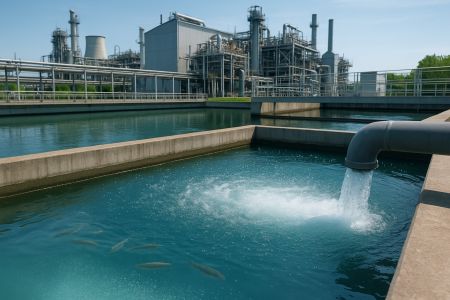
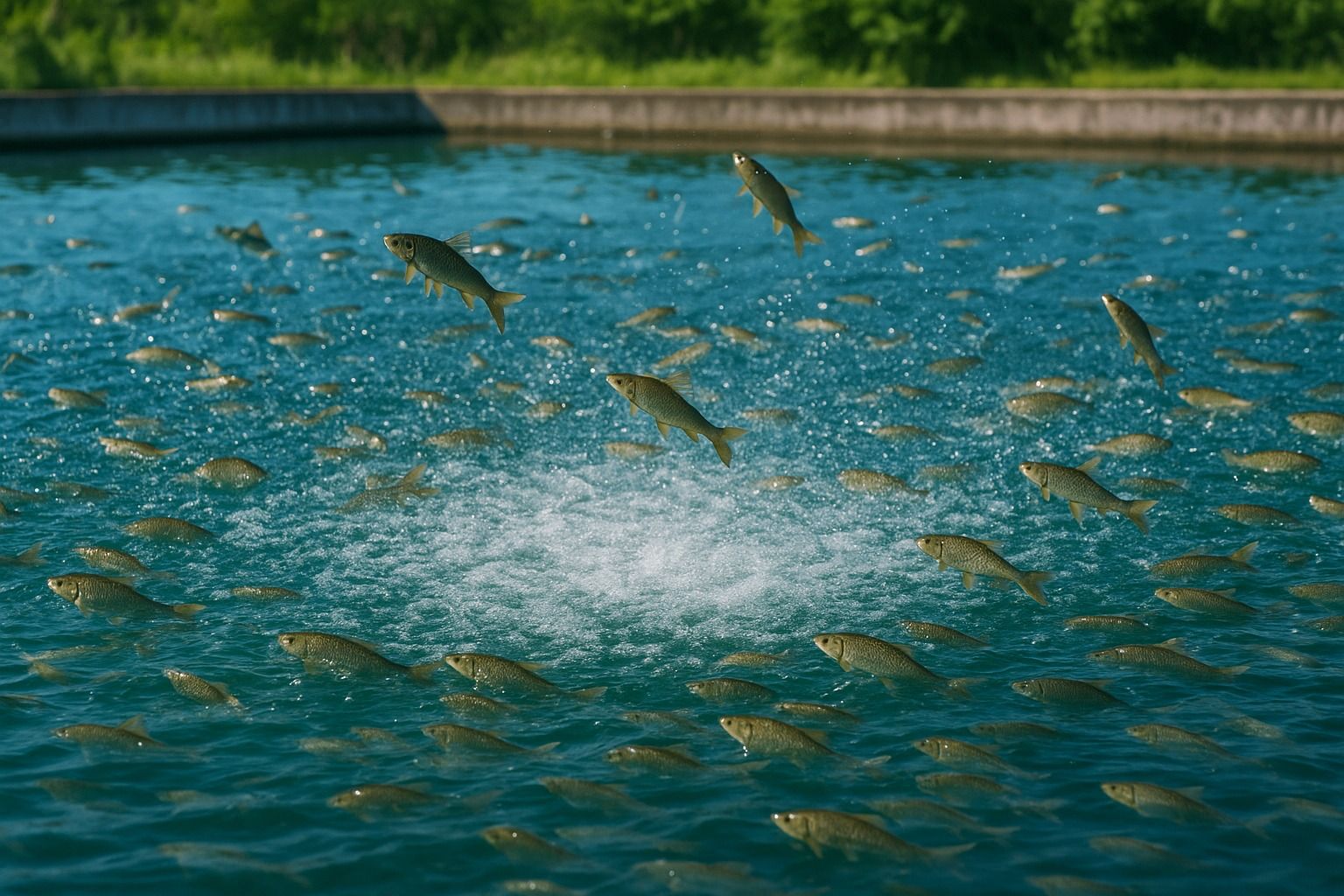
Micro-bubble technology provides a comprehensive solution for the aquaculture industry. By breaking down air or oxygen into ultra-fine bubbles, it penetrates all layers of the fish pond, stabilizing water quality and significantly increasing dissolved oxygen levels. This results in healthier fish and shrimp with faster growth rates.

As these bubbles collapse, they help remove bottom sludge and harmful substances while effectively inhibiting bacteria and parasites. Whether in shallow or deep-water ponds, the system works uniformly to maintain water clarity. The equipment features a large-orifice design, making it resistant to clogging and suitable for long-term, stable operation.

Whether farming fish or shrimp, this technology enhances survival rates and breeding efficiency. We also provide professional consulting for micro-bubble applications, helping you build a high-efficiency, eco-friendly smart aquaculture environment.

Click to join our official LINE for consultations.

Click to add BIYUI on LINE.

Smart Oxygenation & Water Quality Management in Aquaculture | ERDEN
Strong Enterprise ERDEN | Patent No. I870325

Aquaculture Microbubble
Smart Oxygenation & Water Quality Management Solutions

AM248B Micro/Nano Bubble Efficiency Module
Ideal for High-Density Aquaculture, Aquavoltaics, and Recirculating Aquaculture Systems (RAS)

Smart Oxygenation & Water Quality Management in Aquaculture

Aquaculture Microbubble

Smart Oxygenation • Water Quality Management
System Evaluation Solutions

Venturi Natural Air Intake

Draws in air naturally using a Venturi valve, combined with system flow rates, pressure, and piping conditions to form an optimal gas-liquid mixing setup.

Pond Bottom Microbubble Coverage

Microbubbles disperse from the bottom of the pond, helping enhance water body mixing and gas-liquid contact efficiency; coverage varies based on pond shape, depth, flow rate, and layout.

Support Oxygenation & Water Quality

Can be applied to recirculating aquaculture systems to help improve dissolved oxygen and circulation management conditions, with subsequent adjustments made according to field data.

Custom System Configurations

Tailors the microbubble system configurations and test methods according to fish species, stocking density, pond shape, water depth, existing piping, and power conditions.

* Actual results will vary depending on fish species, stocking density, water quality, water temperature, pond shape, flow rate, pressure, equipment configuration, and on-site management methods. On-site evaluation and testing are highly recommended.

Microbubble Aquaculture Circulation & Technology Principles | ERDEN

Breaking Traditional Surface Aeration Mindsets
Establishing Circulation & Dissolved Oxygen Management Across All Water Layers

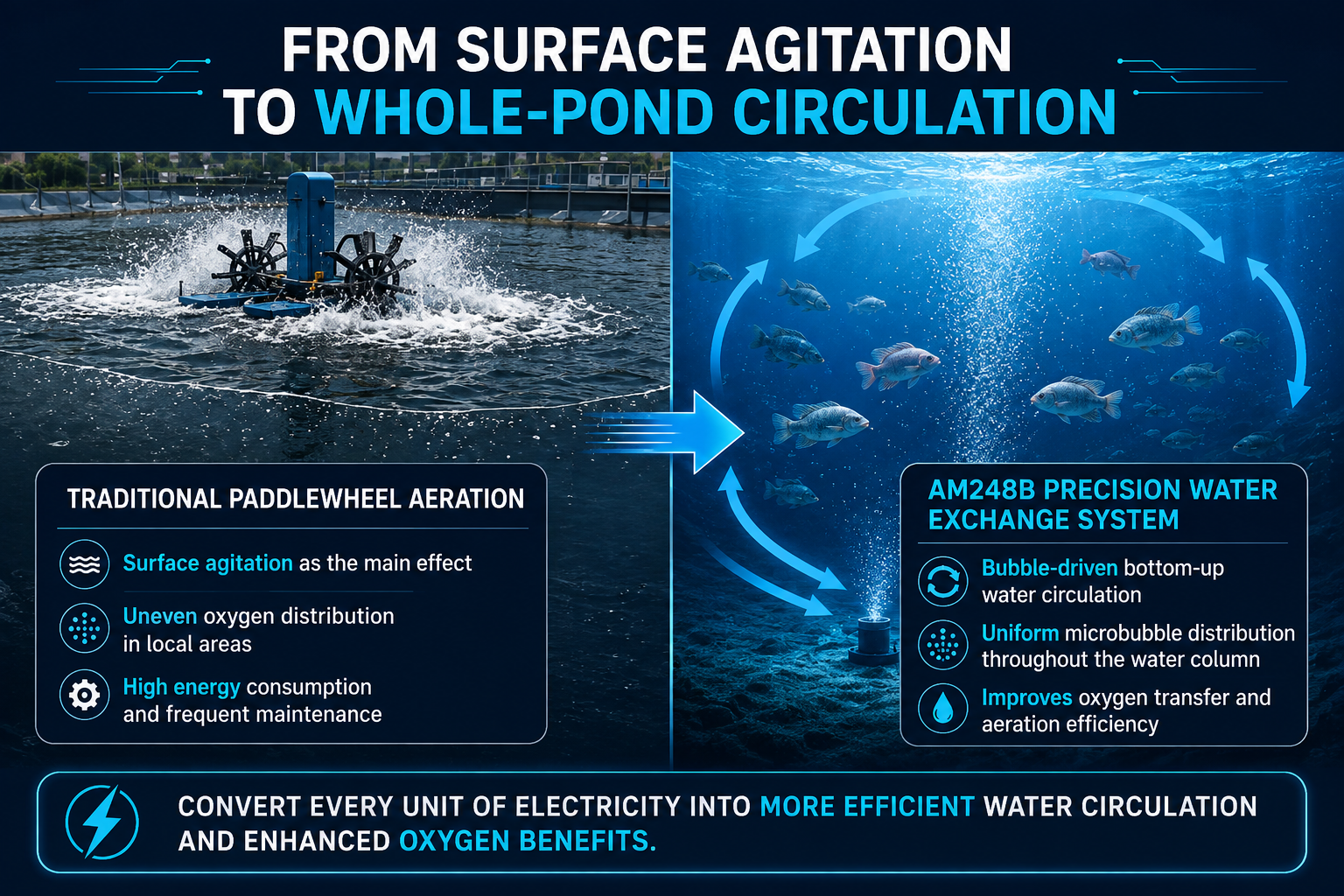
Common Limitations of Traditional Paddlewheels & Aerators

  • Large bubbles rise rapidly and tend to gather near the surface of the water.
  • Aeration and agitation are often concentrated in localized areas; deep water still requires evaluation based on pond structure and layout.
  • Water temperature, DO levels, and circulation conditions may vary due to water depth, stocking density, and seasonal changes.
  • Operational efficiency, power consumption, and maintenance needs vary by equipment type and on-site management methods.
Configuration Features of Micro/Nano Bubble Systems

  • Uses Venturi valves and microbubble modules to disperse air as microfine bubbles throughout the water.
  • Microfine bubbles greatly increase gas-liquid contact area and prolong the bubble retention time in water.
  • Allows planning pond bottom air release and circulation paths based on pond shape, depth, flow rate, pressure, and piping.
  • Helps enhance water body mixing and dissolved oxygen management; actual performance must be verified via field testing.
Comparison schematic between traditional surface aeration and AM248B bottom microbubble circulation
Diagram shows the configuration concepts for surface aeration and bottom microbubble circulation; actual coverage and circulation depend on field conditions.

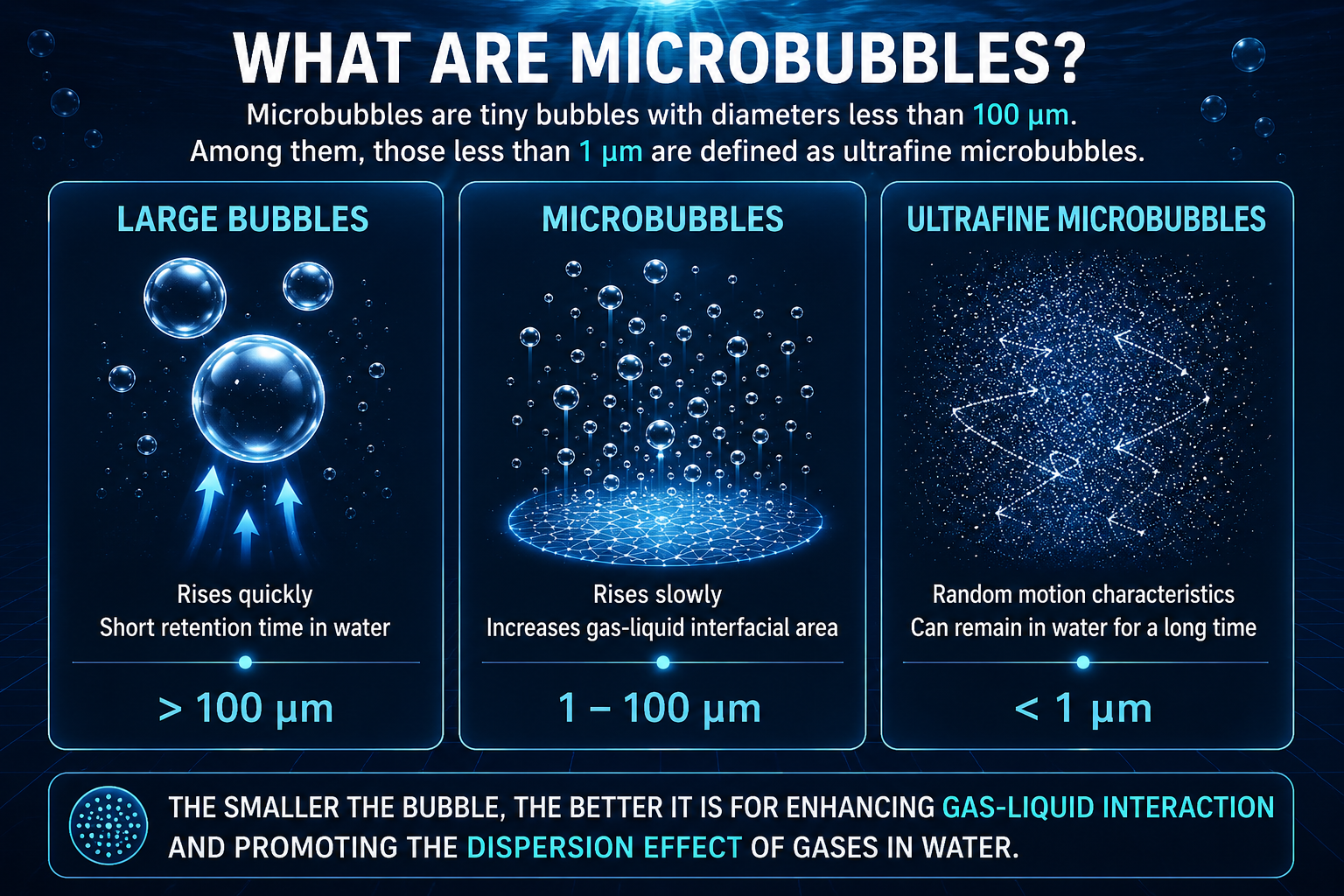
What are Microbubbles?
Bubble Size & Gas-Liquid Contact Principles

Size comparison of macrobubbles, microbubbles, and ultra-fine bubbles

01 | Microfine Bubble Dispersion

Smaller bubble size increases the gas-liquid contact surface in water; actual bubble size and distribution are affected by equipment, flow rate, pressure, and water conditions.

02 | Water Mixing Conditions

Combined with bottom air release and proper circulation layout, it helps create more uniform mixing and flow conditions in the water body.

03 | Continuous Recirculation Management

The system can be planned according to stocking density, pond shape, water depth, and existing equipment for subsequent dissolved oxygen and recirculating water management.

* The actual results of microbubble systems will vary based on fish species, stocking density, water temperature, water quality, pond shape, water depth, flow rate, pressure, equipment configuration, and site management. It is recommended to perform a site assessment before installation and use field DO and water quality data as adjustment criteria.

AM248B Modular Oxygenation Architecture & Core Tech | ERDEN

Patented AM248B Modular Oxygenation Architecture
& Gas-Liquid Mixing Technology

Patent Technology Certification | Patent No. I870325

The AM248B micro/nano bubble efficiency system can be modularly configured based on existing water volume, pond structure, and pipeline layout. It is suitable for indoor culture ponds, aquaponics, and recirculating aquaculture systems (RAS).

Taiwan Patent

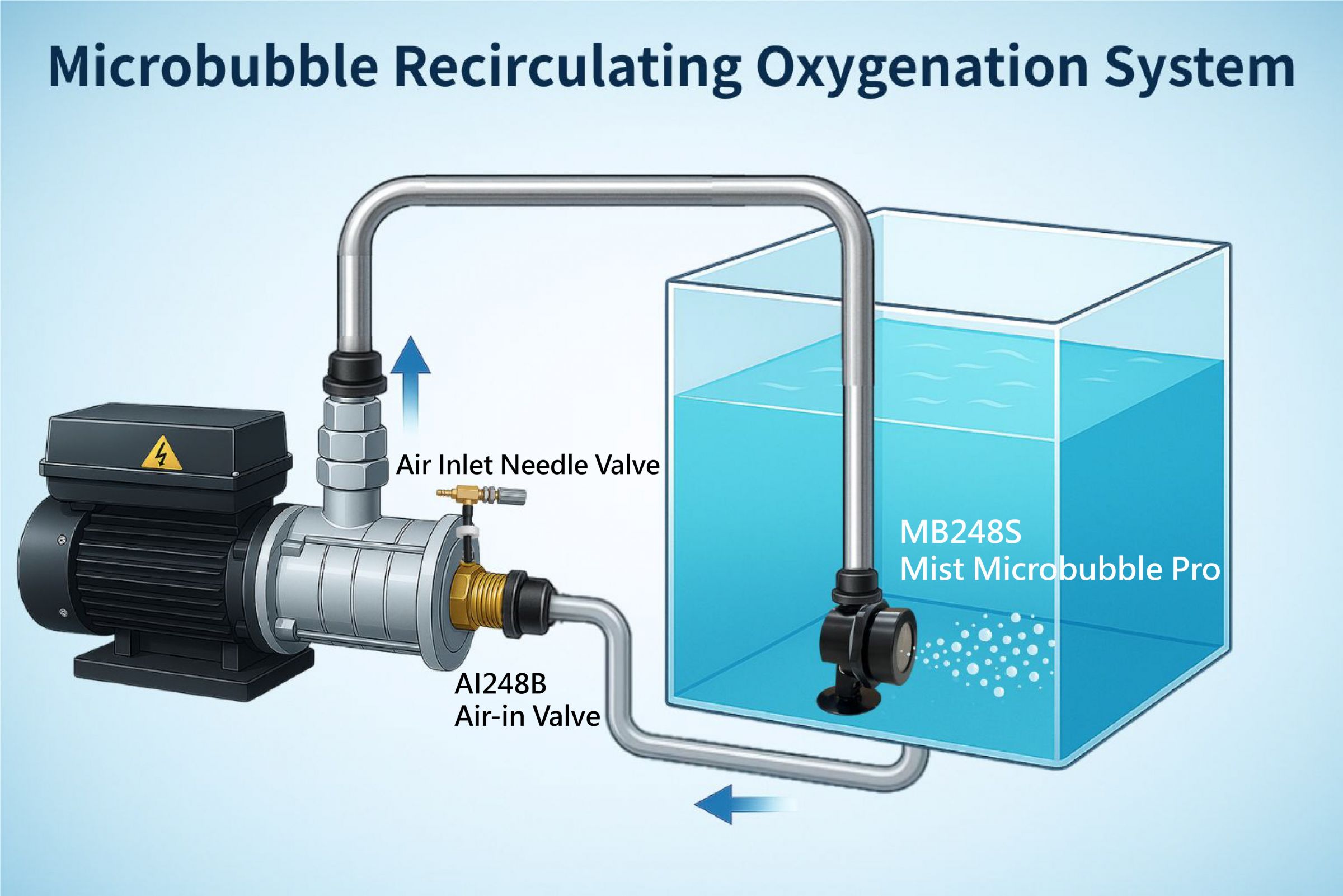
AM248B Modular Oxygenation Architecture
Creating Custom Water Body Recirculation Layouts

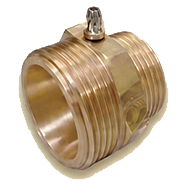
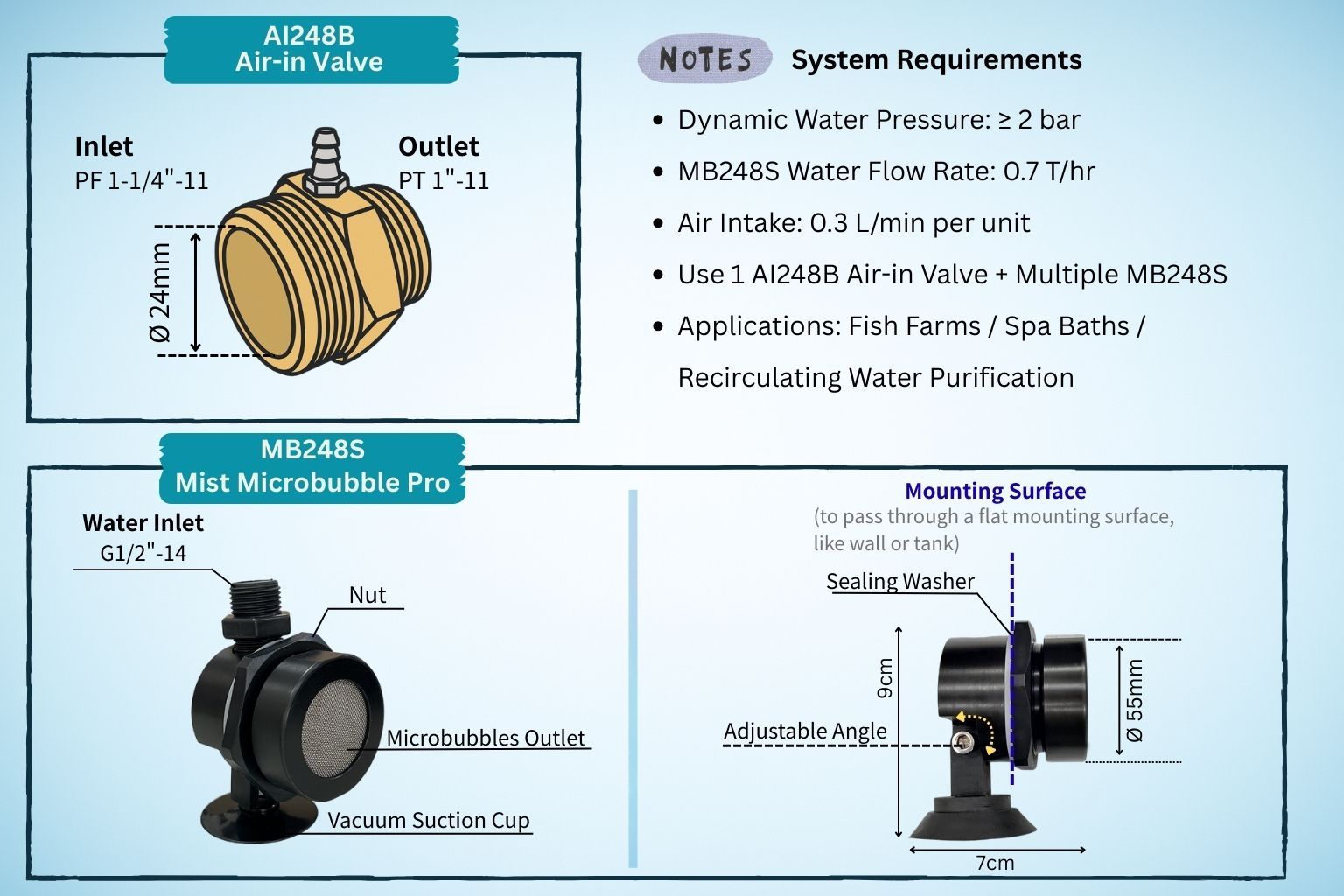
1. Air Intake Core AI248B Air Intake Valve

AI248B Air Intake Valve

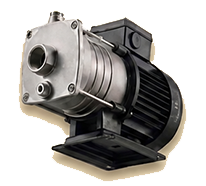
2. Power Core Water Pump

Water Pump

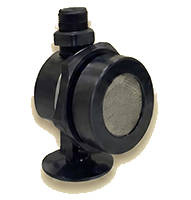
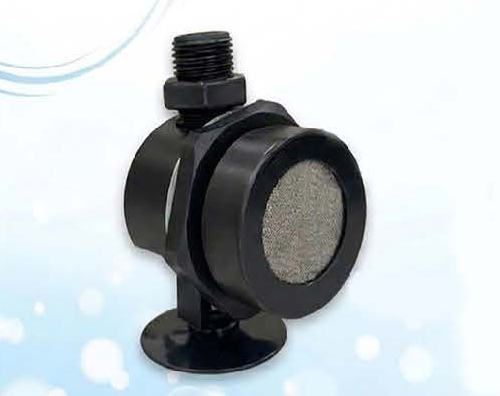
3. Generation Core MB248S Microbubble Module

MB248S Microbubble Module

① Air Intake Core | AI248B

Installed at the water inlet, utilizing the Venturi principle to draw in air via negative pressure. Actual air intake volume is affected by water pressure, flow rate, pipe size, and installation method.

② Power Core | Water Pump

The water pump supplies the flow and pressure required for system circulation. Pump selection must be evaluated based on the number of MB248S modules, head, pipe length, and field conditions.

③ Generation Core | MB248S

Directs the gas-liquid mixed water stream out, achieving a microfine bubble dispersion effect. System setup and operation hours can be adjusted based on aquaculture needs and water conditions.

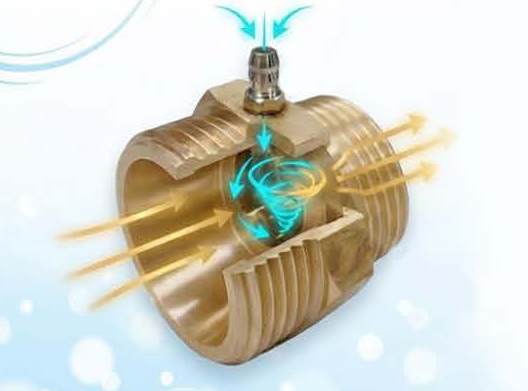
02 | Venturi Natural Air Intake Technology

AI248B Venturi natural air intake principle
  • Draws in air naturally using the negative pressure formed as water flows through the Venturi valve.
  • Eliminates the need for an air compressor. Actual air intake performance depends on pump and pipeline conditions.
  • Well-suited for integration with recirculating aquaculture systems for gas-liquid mixing layouts.

03 | MB248S Microbubble Module Design

MB248S microbubble module details
  • Module quantities and bottom air release locations can be designed according to pond shape and depth.
  • Regular inspection and cleaning are recommended to keep the equipment operating properly.
  • Actual maintenance intervals vary based on water quality, suspended solids, and biofilm accumulation.

* Equipment layout, air intake volume, flow rate, pressure, microbubble distribution, and actual performance will vary depending on pump specifications, water quality, pond shape, water depth, piping, and site management. A site assessment and testing are recommended beforehand.

Dual Module Installation & Dissolved Oxygen Test | ERDEN

Dual Module Installation Architecture

Design custom system implementation options based on existing pond structures and piping conditions.

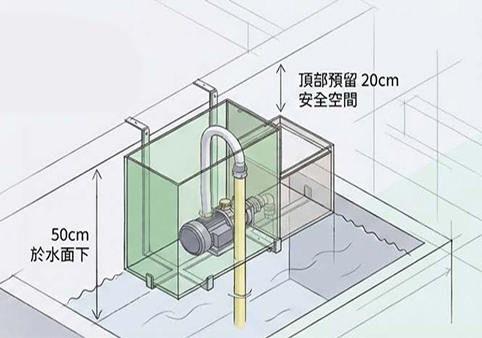
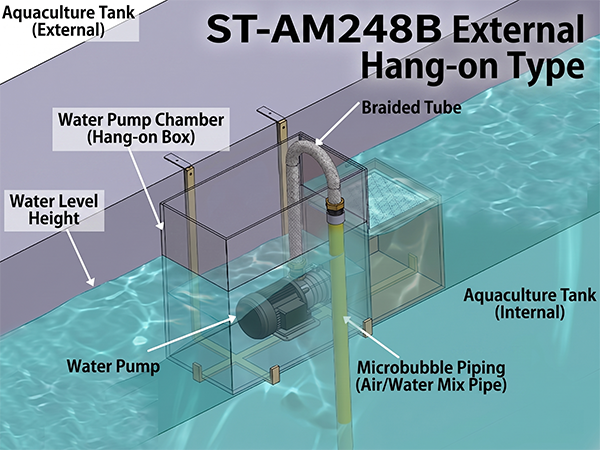
Option A | External System (No Drilling Required)

Ideal for ponds below ground level with no existing outlet holes. Implements the system using an external recirculating layout, minimizing changes to the existing pond structure.

Schematic of external aquaculture microbubble system (no drilling)

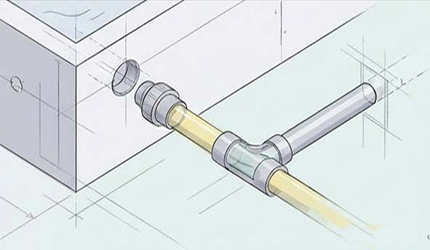
Option B | Standard Direct-Connection System

Suitable for sites with existing outlet holes or recirculating pipelines. Allows direct connection setups customized to on-site hole locations, flow rates, and space.

Schematic of standard direct-connection aquaculture microbubble system

Option A | External System (No Drilling Required)

Suitable for aquaponics, below-ground ponds, and ponds without outlet holes.

  • Plans the recirculating water loop externally, reducing the need for pond construction.
  • Water pump and piping locations must be confirmed according to local water level, elevation, and safety parameters.
  • It is recommended to reserve maintenance space and configure proper power supply and leakage protection measures.

Option B | Standard Direct-Connection System

Suitable for ponds with existing outlets, existing pipelines, or indoor recirculating aquaculture systems.

  • Can integrate with existing piping and hole locations, minimizing extra footprint.
  • Piping size, flow rate, pressure, and air release positions must be planned according to field conditions.
  • Applicable for evaluation in centralized water treatment tanks or existing recirculating aquaculture systems (RAS).

Field Test Records | Dissolved Oxygen Data

AM248B Microbubble Circulation Test

3.0 mg/L

Pre-operation

Water Temp: ~28.4°C
Saturation: ~39%

Baseline
7.0 mg/L

5 Mins Operation

Water Temp: ~28.4°C
Saturation: ~90%

Microbubble Active
5.5 mg/L

30 Mins Inactive

Water Temp: ~28.4°C
Saturation: ~71%

30 Mins Inactive

Water Temp vs. 100% Saturated DO Levels

Water Temp (°C) 26.0 27.0 28.0 28.4 29.0 30.0
100% Saturation Value
(mg/L)
7.82 7.96 7.83 7.73 7.71 7.59

DO Saturation Reference Ranges

0–60%
Low
60–90%
Good
90–110%
Ideal
Above 110%
Supersaturated

Saturation Calculation Method:
Measured DO ÷ 100% Saturated DO Value at Same Temp × 100%

Test Results: Under test conditions with water temp at ~28.4°C, the DO level rose from 3.0 mg/L pre-operation to 7.0 mg/L after ~5 minutes of microbubble circulation, and was measured at 5.5 mg/L after being inactive for 30 minutes. Actual variations depend on water volume, water temperature, water quality, equipment setup, flow rates, pressure, and site management.

* System selection and installation locations must be evaluated based on on-site pond structure, existing pipelines, equipment footprint, and electrical safety. Outdoor locations also require checking pump weatherproofing, waterproofing, and leakage protection.

MB248S Microbubble System DO Field Test Report | ERDEN

MB248S Microbubble System | DO Field Test Records

DO measurement results under microbubble circulation conditions

Water Volume ~3 Tons
Test Equipment MB248S Microbubble System
Microbubble Module 1 Unit
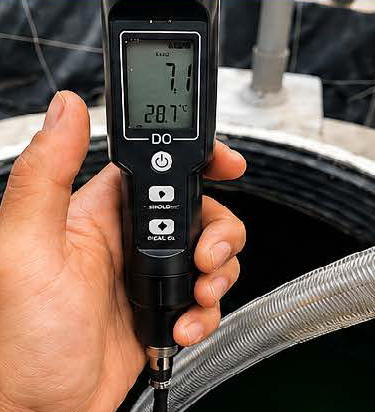
After 5 Mins Operation
MB248S DO measurement after 5 minutes of operation

Dissolved Oxygen (DO)

7.1 mg/L

  • The water body exhibits obvious microbubble dispersion.
  • The measured DO is significantly higher compared to the 3.0 mg/L pre-operation.
  • This measurement is approximately 2.37 times the pre-operation level.
After 30 Mins Inactive
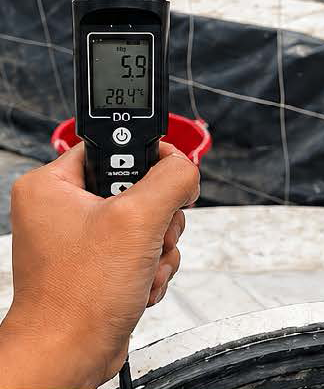
MB248S DO measurement after 30 minutes inactive

Dissolved Oxygen (DO)

5.9 mg/L

  • After shutdown, the water body gradually returns to a clearer state.
  • The DO remains higher than the pre-operation 3.0 mg/L level.
  • Actual DO retention varies depending on water temp, water quality, and environmental conditions.

Comparison of Dissolved Oxygen (DO) Changes

DO (mg/L)
3.0 7.1 5.9
Pre-op 5 Mins Active 30 Mins Inactive

Field Test Highlights

  • The test water volume was ~3 tons, using 1 unit of the MB248S microbubble module.
  • After ~5 minutes of operation, the DO level rose from 3.0 mg/L to 7.1 mg/L.
  • After 30 minutes inactive, the DO was measured at 5.9 mg/L.
  • These measurements represent a record under specific equipment setups and test conditions.

Comparison: Traditional Aeration vs. Microbubble Configurations

Traditional Aeration

  • Larger bubble size
  • Rapid rising speed
  • Short gas-liquid contact time
  • Requires evaluation of coverage based on pond shape

MB248S Microbubble

  • Disperses as microfine bubbles
  • Increases gas-liquid contact area
  • Can be paired with bottom circulation layouts
  • Supports DO and water body mixing management
Microbubble systems can be evaluated and configured based on pond shape, depth, volume, flow rates, and existing equipment to help establish circulation and DO management customized to site requirements.

* The above data represent measurements under specific water volume, temp, equipment, and operating conditions, and do not guarantee performance in all culture environments. Actual effects depend on water temp, quality, stocking density, pond shape, water depth, flow rate, pressure, and site management.

Water Temp vs. Dissolved Oxygen Saturation | ERDEN

Water Temp vs. Dissolved Oxygen Saturation Reference

Dissolved oxygen (DO) in water varies with water temperature and atmospheric pressure.
The higher the water temp, the lower the theoretical saturated DO limit.

Current Measurement Conditions

Water Temp 28.7°C
Dissolved Oxygen (DO) 7.0 mg/L
7.0 ÷ 7.75 × 100% ≈ 90.3%
Currently ~90% Saturation

What is 100% Saturation?

The amount of oxygen that can dissolve in water when the water body and air reach equilibrium under specific water temperature, salinity, and atmospheric pressure. This serves as the 100% saturated DO reference value under those conditions.

O₂

100% Saturated DO Reference Values at Different Water Temps

Water Temp (°C) 20.0 22.0 24.0 26.0 27.0 28.0 Current Temp28.7 29.0 30.0 32.0
100% Saturated DO Value
(mg/L)
9.08 8.64 8.18 7.82 7.96 7.83 7.75 7.71 7.59 7.34
← Water temp drops, maximum oxygen capacity rises Water temp rises, maximum oxygen capacity drops →

Interpreting DO Saturation Levels

Saturation is calculated as "measured DO ÷ 100% saturated DO under the same conditions × 100%." Factors such as water temperature, altitude/atmospheric pressure, salinity, and water quality must be considered together to interpret measurements correctly.

Saturation Reference Intervals

~60% Monitor DO management
~90% Close to saturation
100% Saturated reference value

Key Points of Dissolved Oxygen Management

🐟

Observe Fish & Shrimp Behavior

Interpret readings alongside fish/shrimp activity, feeding patterns, and piping gasps.

Monitor Nighttime Changes

Nighttime and early morning are critical periods where aquaculture farms must pay close attention to DO.

Integrate Water Quality Management

Should be evaluated in combination with water temperature, feeding rate, stocking density, and recirculation conditions.

Establish Measurement Records

Regularly logging DO changes helps in subsequently adjusting equipment settings and management practices.

Using this test condition as an example: with water temperature at 28.7°C and DO at 7.0 mg/L, the calculated saturation is ~90.3%. Actual management should still be based on on-site water quality, stocking density, and continuous measurement data.

* The listed values are reference data under standard atmospheric pressure. Differences in instruments, altitude, atmospheric pressure, salinity, and water quality may cause variations. Confirming the consistency of data sources and on-site measurements is recommended before official reference.

Aquaculture System Comparison & Layout Reference | ERDEN

Aquaculture System Comparison & Layout Reference

Tailored to On-Site Conditions

Allows planning the optimal microbubble circulation system based on pond shape, depth, volume, stocking density, existing piping, and power supply.

Data-Driven Adjustments

Highly recommended to use DO, water temp, flow rates, pressure, and power consumption as benchmarks for system configuration and subsequent management.

Easy Maintenance Integration

Designed with equipment access, cleaning, and pipeline inspection in mind, making it simple to incorporate the system into daily routines.

01 | Technical Comparison: Traditional Aeration vs. AM248B Microbubble System

Comparison Item Traditional Aeration / Paddlewheel System AM248B Microbubble System
Bubble Type & Distribution Predominantly large bubbles rising rapidly to the surface layer of the water. Microfine Bubble Dispersion Combined with gas-liquid mixing and pond bottom air release, bubble distribution can be designed based on system requirements.
Gas-Liquid Contact Conditions Rapid bubble rise results in shorter contact times; scope depends on equipment type. Increased Contact Area Microfine bubbles multiply the gas-liquid contact area; actual effects are determined by flow rates, pressure, and water conditions.
Water Body Circulation Planning Mainly focuses on surface agitation and localized aeration. Bottom Circulation Layout Circulation paths and bottom air release locations can be designed based on pond shape, depth, and piping.
Maintenance & Management Varies depending on equipment type, frequency of use, and site management practices. Module count and piping are adjustable to need; regular inspection of pumps, pipes, and microbubble modules is advised.
System Power Consumption Actual consumption depends on equipment horsepower, running time, and local conditions. Consumption can be evaluated based on pump selection, module count, and operating settings, benchmarked against on-site measurements.

02 | Professional Configuration List (8-Unit MB248S Example)

This page shows a layout concept example using 8 units of MB248S. Actual module count, pump specifications, piping diameter, and layout must be adjusted based on pond size, depth, stocking density, target DO, and field conditions.

Professional Configuration List

Item Name Specifications & Function Descriptions
Water Pump Supplies the required flow and pressure for system circulation; specifications are determined by piping and module count.
Water Tank Module Can be configured for external system setups, serving as the installation space for the pump and piping.
AI248B Air Intake Core Utilizes the Venturi principle to draw in air, establishing gas-liquid mixing conditions.
MB248S Microbubble Module A total of 8 units are configured in this example; actual quantity and locations are customized to pond shape and circulation requirements.

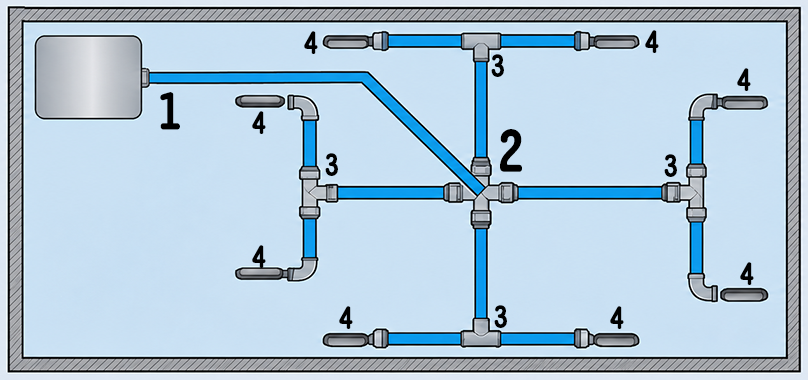
8-Unit Microbubble System | Piping Layout Concept

Aquaculture pond microbubble piping layout concept with 8 MB248S modules

Stage 1 | Bottom Extension

Water flows from the pump outlet into the main header pipe, which extends across the pond bottom to various air release spots.

Stage 2 | Flow Splitting

Uses manifold fittings to split the flow into different branches, allowing each area to be equipped with microbubble modules as needed.

Stage 3 | Pipe Size & Flow Balancing

Pipe diameter, branch run lengths, and module count influence flow rates and pressure; configurations should be balanced via field testing.

Stage 4 | Internal Circulation Analysis

Adjusts air release positions based on pond shape, depth, and fish/shrimp activity zones to help establish a more uniform water mixing condition.

Need a site evaluation for your aquaculture farm?

Provide pond type, dimensions, water depth, existing equipment, and current DO data, and ERDEN can assist in preliminary system design.

LINE: @tfu4534l

* This page is for system layout and technical comparison reference only, and does not represent fixed specifications or performance guarantees. Actual equipment selection, piping layouts, DO changes, power usage, and culture results must be evaluated and tested based on field conditions.

Specification

  • Material: AI248B - Brass / MB248S - Polypropylene
  • Dimensions: Outlet diameter 55 (OD) mm
  • Operating Pressure: Dynamic water pressure of 2 bar or higher required
  • Flow Rate: Approx. 0.7 tons/hour per MB248S unit
  • Air Intake: Approx. 0.3 L/min per unit
  • Configuration: One AI248B Air-in Valve can be paired with multiple MB248S units (quantity adjusted based on pump specifications)
  • Applications: Hydroponics Farms / Aquaculture ponds / SPA Baths / Recirculating Water Purification

MB248S_Specification

  • Pump Connection Diagram

MB248S_Pump_Connection_Diagram

    Aquavoltaics

    AM248B

AM248S Microbubbles System for Aquaponics & Aquaculture


Microbubbles in Circulation: With or Without Mesh Screen | AM248S


AM248S Microbubble Recirculating System Test


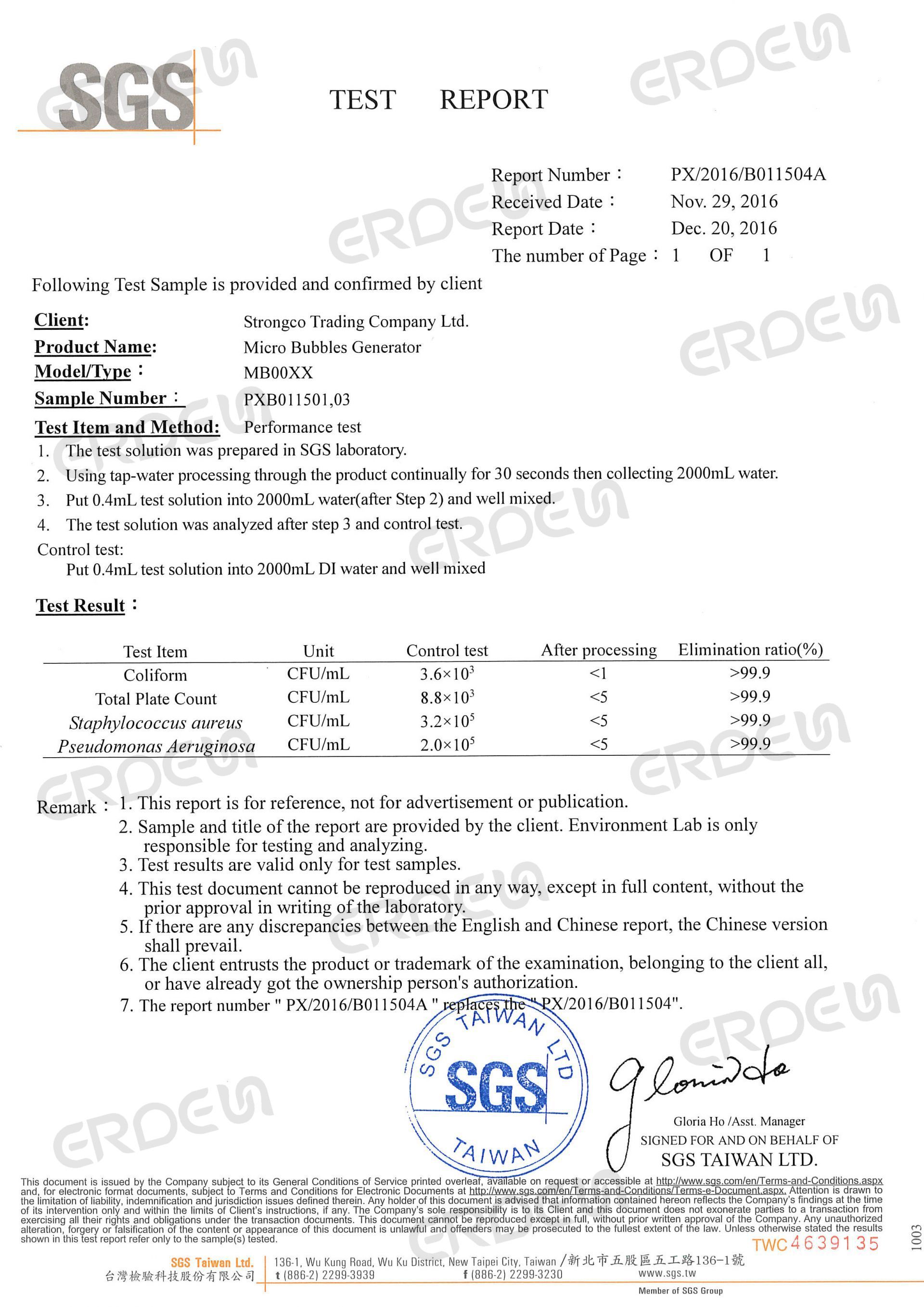
MB0003SS-S01-Microbubbles Generator SGS report

We accept OEM cooperation for your own brand of products. Please contact us for more information.

ERDEN Line Add Friends

ERDEN Line Add Friends

Gallery
Certificate
Video

AM248S Microbubbles System for Aquaponics & Aquaculture


Microbubbles in Circulation: With or Without Mesh Screen | AM248S


AM248S Microbubble Recirculating System Test


Related Products
  • Agricultural Irrigation - Micro-bubbles for Agricultural Irrigation
    Agricultural Irrigation
    agriculture

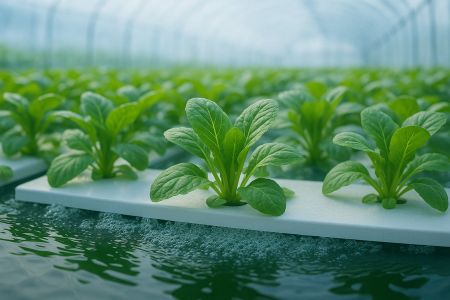
    Micro-nano bubble technology brings a new level of efficiency to agricultural irrigation. These ultra-fine bubbles stay in the water for extended periods, significantly increasing dissolved oxygen levels. This promotes root respiration and nutrient absorption, leading to stronger plants and higher yields. Simultaneously, it decomposes pesticide residues and organic matter, improving water quality, reducing the occurrence of diseases, and lowering the demand for chemical fertilizers and pesticides. Whether applied to traditional fields, greenhouse hydroponics, or orchard irrigation, micro-bubbles penetrate deep into the soil and water channels to provide a uniform and highly efficient water source. The equipment features a large-orifice design to prevent clogging, ensuring easy maintenance and long-term stability. We offer professional consulting for agricultural micro-bubble applications, helping you build a green and sustainable smart farming environment.


  • Industrial Applications - Micro-bubbles for Industrial Applications
    Industrial Applications
    industry

    Micro-bubble technology demonstrates powerful advantages in the industrial sector. Ultra-fine bubbles effectively decompose organic pollutants and grease, assisting in wastewater treatment, removing odors, improving discharge water quality, and reducing environmental impact. Its high dissolved oxygen characteristics enhance the efficiency of biological treatment and inhibit the growth of harmful bacteria. It is suitable for various scenarios, including food processing, chemical manufacturing, electronics cleaning, and industrial cooling water systems. The equipment features a large-orifice design, making it resistant to clogging and easy to maintain for long-term stable operation. We provide professional consulting for industrial micro-bubble applications, helping enterprises improve water treatment efficiency, reduce costs, and move toward sustainable development.


  • Household System - Micro-bubbles for Residential Use
    Household System
    homecare

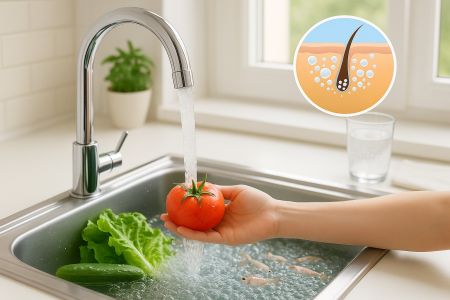
    Micro-bubble technology upgrades your home water for a safer and more reassuring experience. By drawing in air and mixing it into the water stream (air-in principle), the flow becomes richer and more voluminous—helping reduce water use while maintaining a comfortable rinsing experience. These bubbles, smaller than pores, provide deep cleaning to remove pesticide residues from fruits and vegetables, keeping ingredients fresh. When washing your face or soaking your feet, they deep-clean pores, leaving your skin feeling refreshed and promoting circulation. The technology also helps prevent scale and soap scum buildup in bathrooms and sinks, reducing the burden of scrubbing. For pet bathing, it effectively removes odors and bacteria, keeping fur soft and healthy. The entire process requires almost no chemical detergents, making it safe for your family and friendly to the environment. Equipped with a filter mesh design, it intercepts impurities in the water, making residential water applications safer and more convenient. We also provide professional consulting to help you create a clean, healthy, and eco-friendly smart home lifestyle—with a water-saving benefit enabled by air-in mixing.


Press Release